
Summer lingers as migration seems to be on hold.
Two Hobbys over Thornton woods on September 8th and good numbers of Chiffchaff and Blackcap maintained the summer bird theme. A Humming Bird Hawk Moth on the 10th also contributed to signs of the fading season.
On the 11th 600 large gulls were resting mid reservoir and three Yellow Legged gulls were in attendance.
The highlight was however reserved for one lucky observer, when a Spoonbill made a very brief appearance before flying off. This is as far as I know only the second occurrence of this species at Thornton.
The first Webs count took place on the 13th. Totals included 345 Mallards, 250 Canadas and 220 Greylag Geese, 147 Tufted Duck, 101 Coot and 67 Great Crested Grebes. The latter is an impressive total and demonstrates a successful breeding season. Not making it on to the Webs count were an early flock of Goosander that flew west at dusk on the 13th.
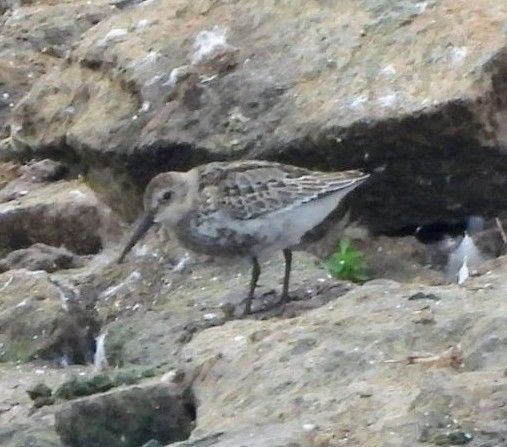
On the 14th a juvenile Ringed Plover was on the dam, and the following day it had been replaced by a juvenile Dunlin, our first of the year.
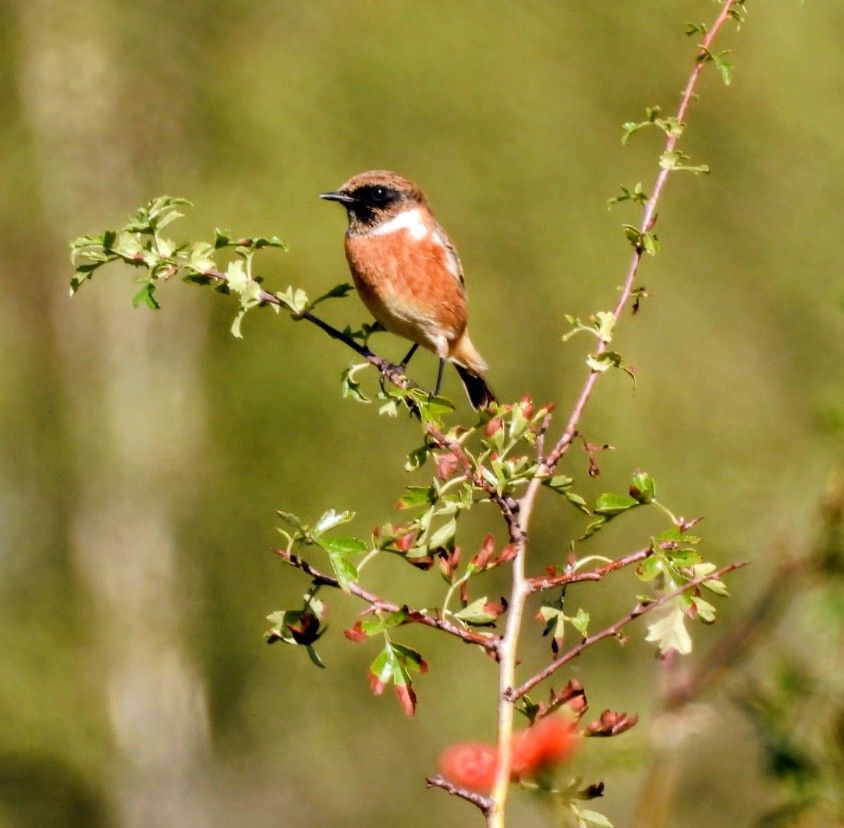
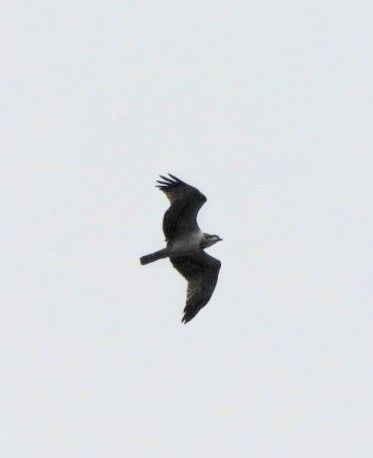
On September 21st two Stonechat were at Bagworth Heath, and at midday an Osprey flew south over the reservoir.
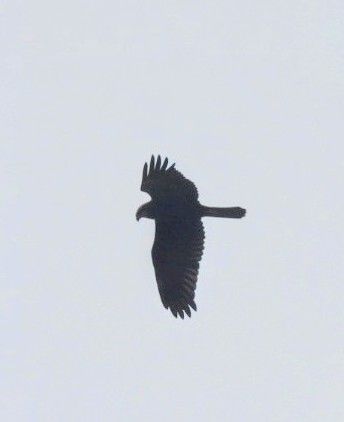
September 25th was a red letter day although two of the highlights were over in thirty seconds. From the garden I noticed a flock of nine Great White Egrets fly low over the fishing Lodge and almost immediately a Marsh Harrier flew west over the house. Later that day 14 Jays were also migrating west and my tenth Clouded Yellow of the summer drifted through the garden. Nine GWE is certainly a record total for me at Thornton and is evidence of the increase of this species locally.
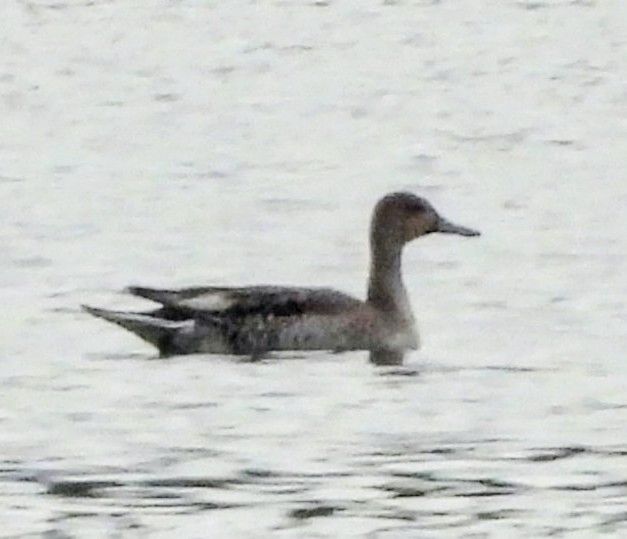
My first Pintail of the year was a first winter male on September 27th and also on this date five Egyptian geese flew low towards the Stanton Inflow.
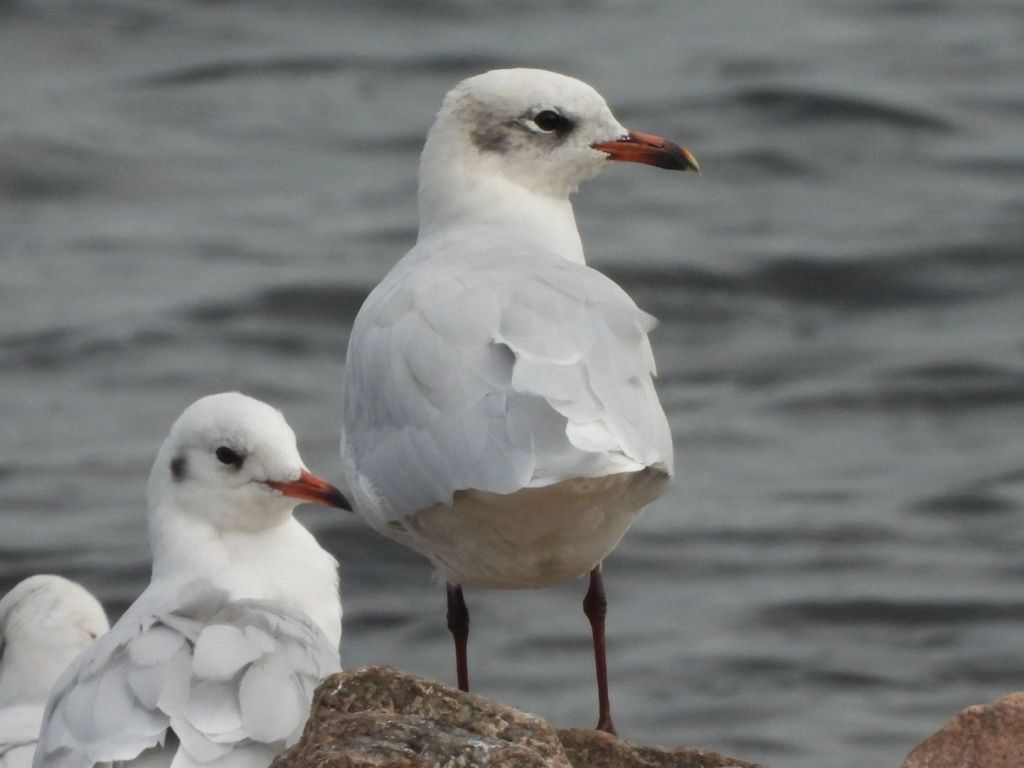
An adult Mediterranean Gull was at the outflow on the 29th and 22 Shoveler were present on the 30th.
October has commenced with mild and often sunny weather, but to date autumn migration has been slow. Late butterflies such as Red Admiral and Small Copper are still on the wing, and Noctule and Pipistrelle Bats are feeding at dusk. Whopper Swans and Pink Footed Geese are heading in this direction as I write and with luck they might feature in the next edition.
Andy Smith 8/10/2026

