
Summer visitors arrive as Winter birds depart.
Cool breezy weather in early March encouraged birds to linger and migration seemed to be on hold.
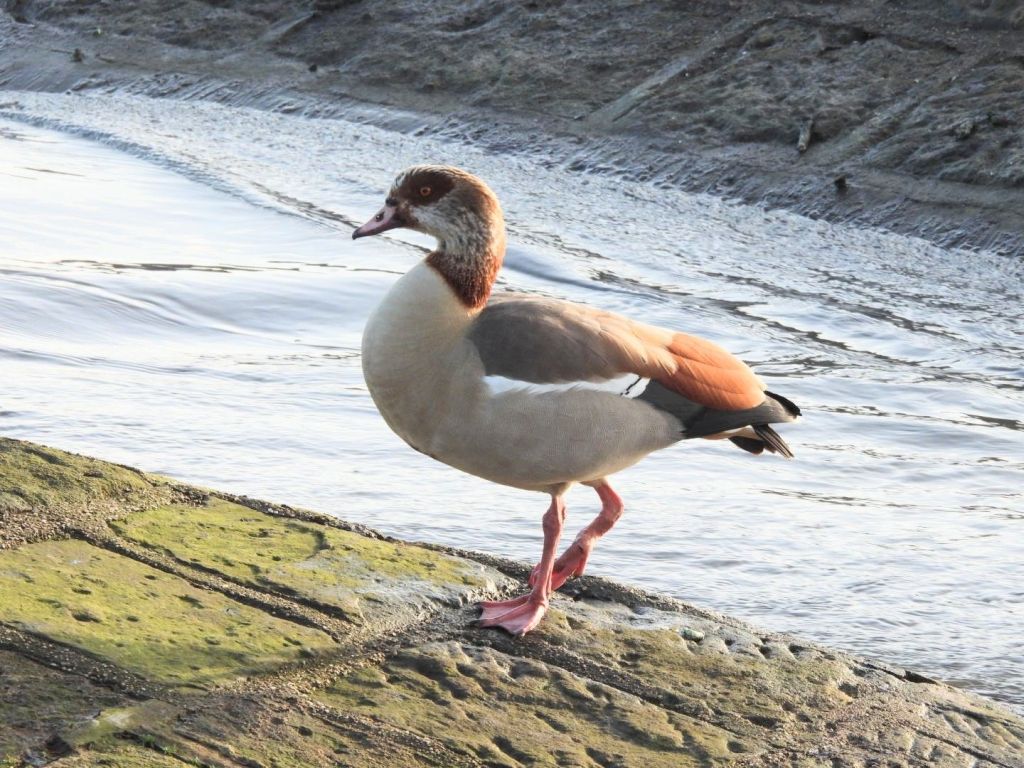
A single Egyptian Goose was at the out flow on the 11th and two Ravens were fly overs.
On the 13th 120 Starlings were heading east and eight Snipe were at the Top End.
Two Kingfishers were chasing each other on the 14th and photos from a nearby private site confirmed mating.
Warm and sunny weather on March 18th had Brimstone and Peacock on the wing and a Great Spotted Woodpecker was drumming from the Church yard.
Noctule and Pipistrelle bats were also out at dusk.
On the 19th good numbers of Smooth Newts were active in the garden pond and the Wigeon count on the reservoir reached 61.
The final Webs count took place on March 21st and totals included 75 Mallard, 44 Tufted Duck, 35 Coot,25 Great Crested Grebe and 22 Moorhen. Also on this date 9 Buzzards, 4 Skylarks and my first Holly Blue of the year were noted.
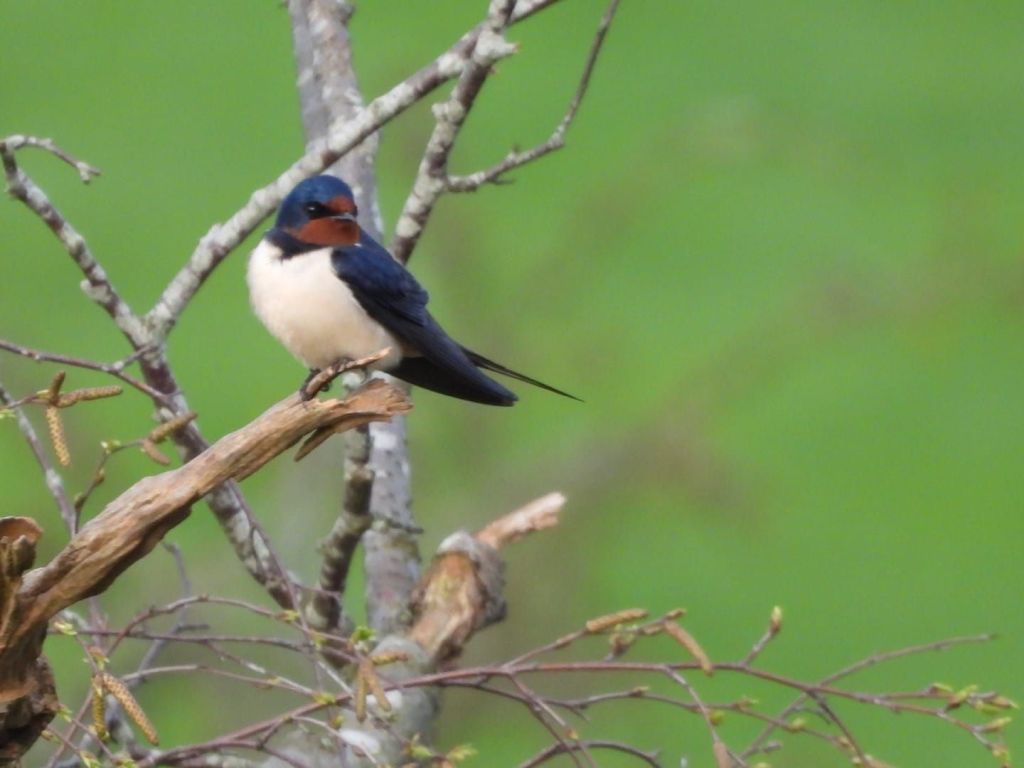
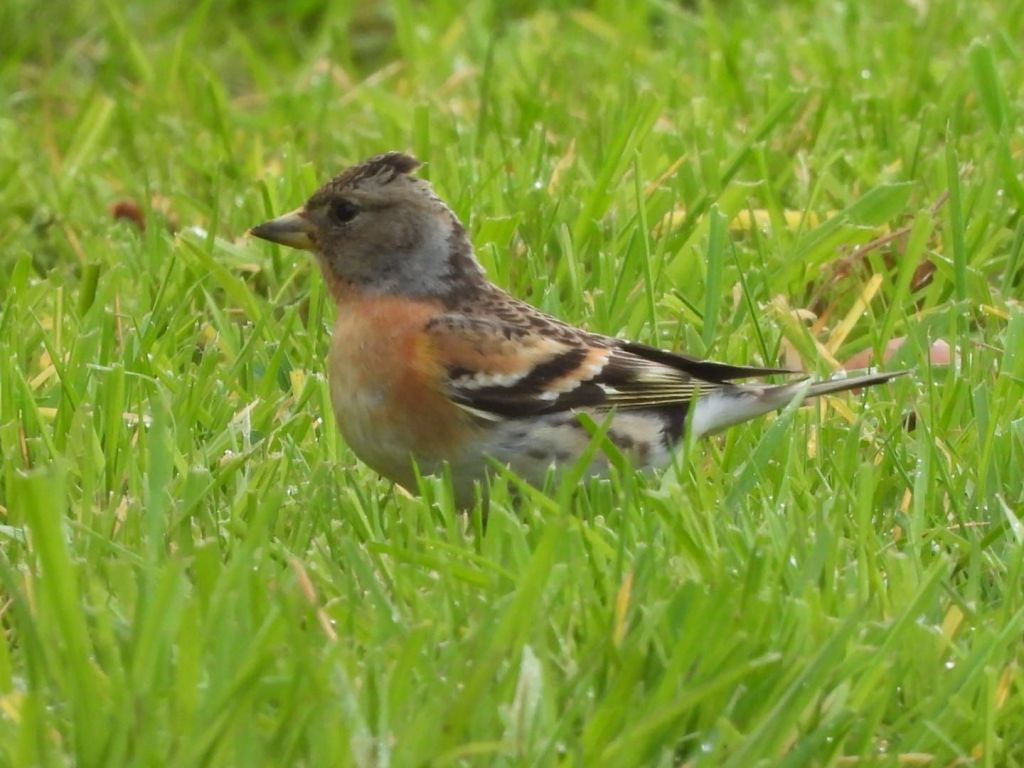
March 25th observations revealed that seasonal change overs were taking place. A female Brambling was feeding up before heading back north, and three male Swallows were new in from their wintering grounds at the Western Cape of South Africa.
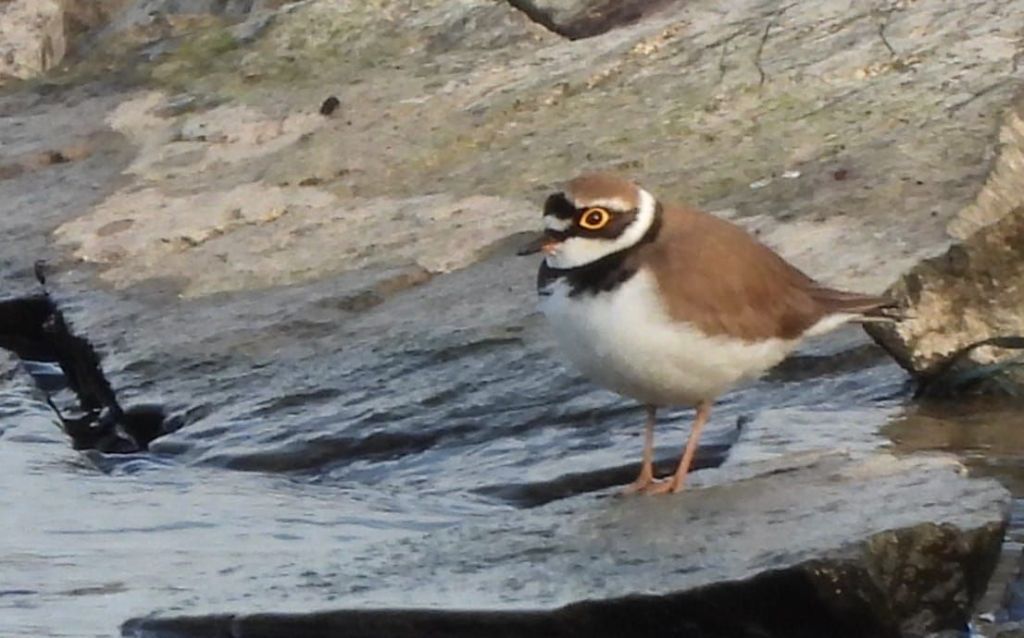
On the following day a Little Ringed Plover was on the dam and more recently there has been a probable pair.
As March drew to a close Buzzards, Red Kites, Peregrines Sparrowhawks and Kestrel were all recorded, and many were displaying.
My first Comma was sunning itself on the month’s final day.
April has commenced with typically changeable weather and some very warm days.
On the first a male Goosander was heading north, and on the second a Tortoiseshell butterfly was in the garden.
On April 5th Sandmartin numbers had increased to 130 but the highlight was an Osprey that flew west.
On the following day three Common Sandpipers were on the dam, three Red Kite were circling and Linnet was added to the year list.
Orange Tip was an addition to the butterfly list.
The thrill of April 8th was a stunning male Emperor Moth found by Dave.
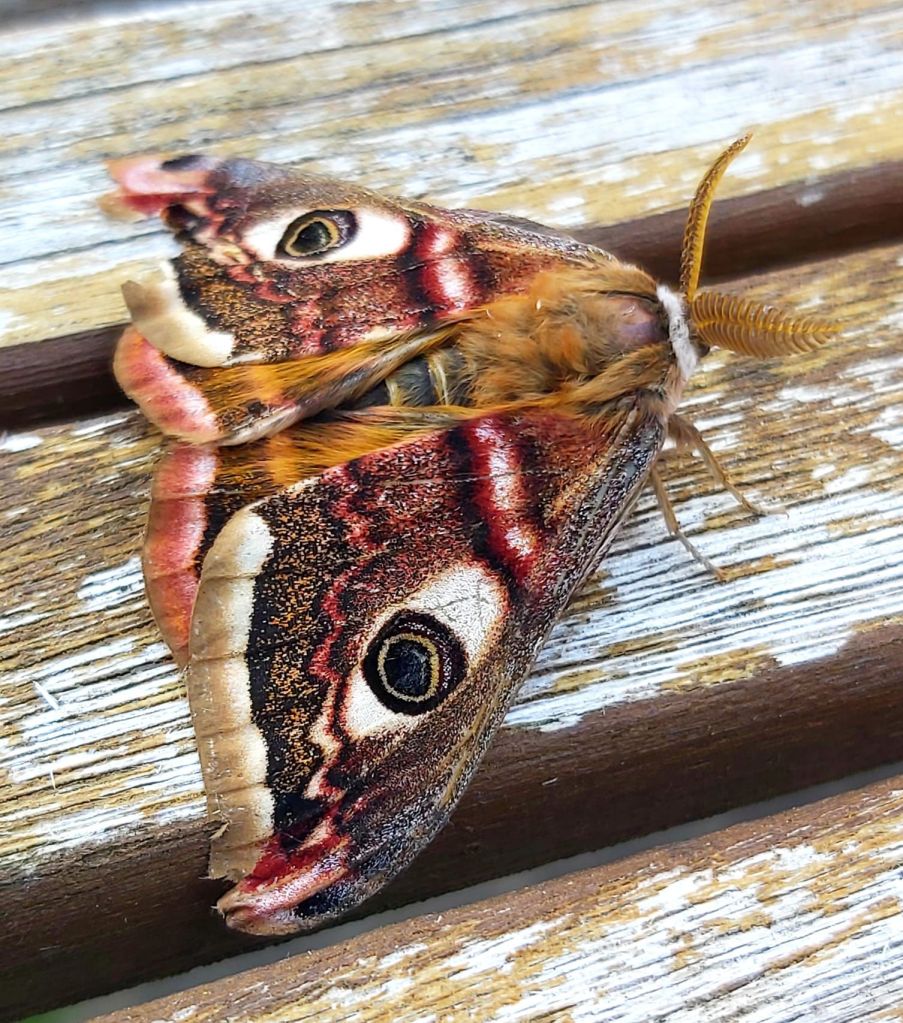
This species despite being common and well distributed is rarely seen. This may be due to a short flight season, so the glorious weather was an important factor.
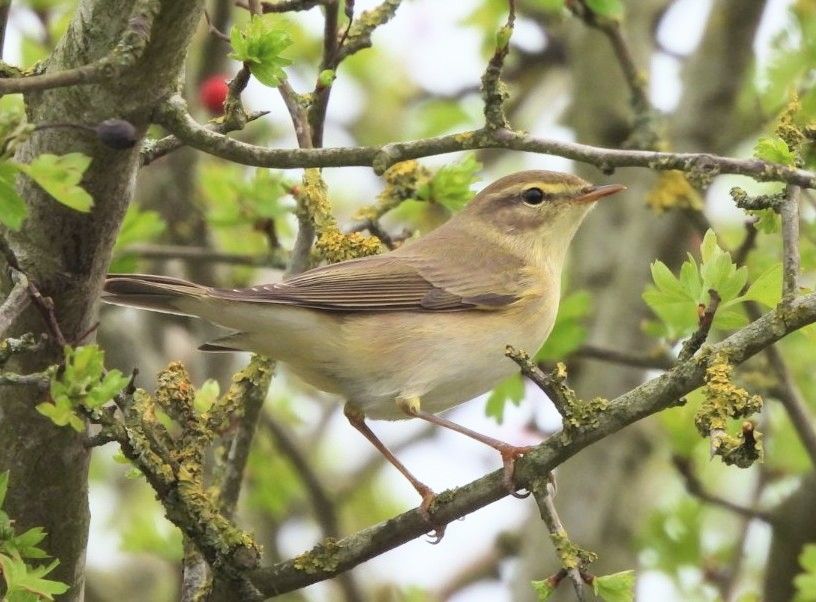
As I write summer visitors are arriving with House Martin and Willow Warbler new in. The dawn chorus is in full swing as bird species commence their breeding cycle.
Avoiding disturbance of hidden nests is much appreciated at this time.
Andy Smith 11/04/2026
See the separate Nature Notes page for more information.
 Thornton